Do Customers Actually Want to Talk to an AI on the Phone?

Most customers care more about getting a fast, helpful answer than about who picks up. A modern AI receptionist sounds natural, answers immediately, and books the appointment — which beats voicemail or a callback hours later every time. In practice, callers who reach a good AI receptionist get what they wanted: a real answer and a booked job.
What customers actually want when they call
An answer, fast. When a customer calls a business, they are not hoping for a chat. They want to know if you can do the job, what it costs, and when you can come. Whoever gives them that quickly wins. Most people care far more about getting helped than about whether a person or a system helped them.
That reframes the whole worry. Owners picture a caller annoyed to reach an AI. The more common reality is a caller relieved to reach anything at all, instead of a voicemail box on the third try. Helpful and immediate beats the alternatives most callers actually face.
Ask yourself when you last enjoyed a phone tree, or felt cared for by a voicemail beep. Customers have been trained by years of bad phone experiences. Against that low bar, a clear voice that answers on the first ring and books them in under two minutes does not feel cold. It feels like a business that has its act together.
Where AI beats the alternatives (voicemail, hold, callback)
At the moments that lose customers. The real competition is not a friendly human against a robot. It is a fast answer against voicemail, a hold queue, or a callback hours later. A good AI receptionist answers on the first ring and handles the question now.
Stack it up against what a busy small business usually offers after hours or mid-job, and the choice is easy for the caller. Voicemail asks them to wait and hope. A callback comes after they have already hired someone else. An immediate, useful answer wins every time. To hear the difference for yourself, try the live demo on our homepage.
When a human should still take over
Whenever judgment or care is needed. The AI handles the routine calls well, but it is built to hand off. An upset customer, an unusual job, or a request that needs your call should go to a person, and a good setup routes it there with the context already gathered. You decide where that line sits.
The point is not to remove people from the phone. It is to stop losing the calls no one could answer in the first place. Your team's time goes to the conversations that need a human, while the after-hours call and the second caller still get caught.
Drawing that line is part of the setup, not an afterthought. You tell it which calls to route straight to you, which questions to answer, and what it should never promise. A customer who asks for the owner gets the owner. A customer with a simple booking gets booked. Nobody gets stuck arguing with a machine, because the machine was told exactly where it ends. For more on how natural it sounds, see whether an AI receptionist sounds like a robot.
What we're seeing with NE Florida callers
Most callers just want their question handled. In the systems we set up for Northeast Florida businesses, the pattern is steady. People ask about price, availability, and service area, and a well-trained AI answers and books them. The few who want a person ask for one and get routed over.
We are honest that this is early work, so we speak from what we see rather than inflated numbers. The callers who reach a good AI receptionist tend to get exactly what they called for. If you want to compare the options first, read how an AI receptionist stacks up against a chatbot and an answering service. When you are ready, book a call and judge the AI receptionist yourself.
Frequently asked questions
Keep reading

What Questions Should an AI Receptionist Ask? The Intake Script That Books Jobs
A good AI receptionist asks what your best front-desk person would: what, where, when, and how to reach them — then books. The exact question set, in order.

Is an AI Receptionist Worth It? Real Numbers for Service Businesses
An AI receptionist is worth it when missed calls cost more than its monthly fee — and usually they do. The actual math, and when you should skip it.
How Does an AI Receptionist Work? (Plain-English Guide)
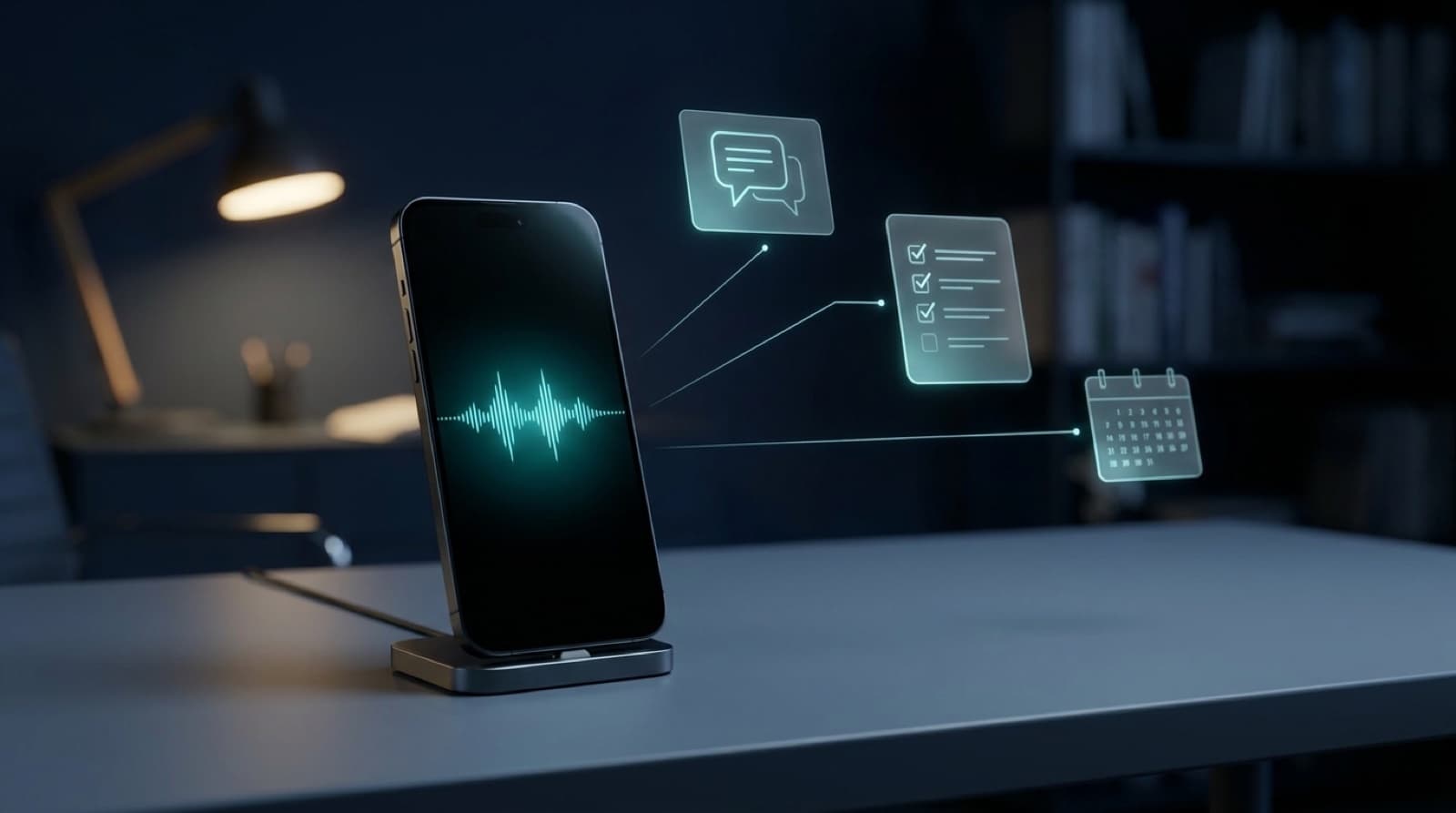
An AI receptionist answers your line in a natural voice, uses your real business information, and books on your calendar. What happens on a call, step by step.