The 5-Minute Rule: Why Callback Speed Decides Who Gets the Job

Call a new lead back within five minutes and you're far more likely to win the job. Wait longer and your odds drop sharply. Research on lead response time consistently shows the first business to respond usually gets the customer. For a local service business, speed isn't a nice-to-have — it's the single biggest factor you control.
What the research says about response time
Speed wins, and the data is clear about it. Harvard Business Review studied 2,241 companies and their response times. Firms that answered a new lead within an hour were about seven times more likely to qualify that lead than firms that waited longer. The average company took 42 hours to respond. You can read the study in Harvard Business Review.
The five-minute figure comes from a related body of lead-response research: your odds of even reaching a lead fall off fast after the first few minutes. The takeaway is the same across every study. The longer you wait, the colder the lead, and the more likely a competitor gets there first.
The numbers are blunt about it. Waiting an hour instead of a few minutes does not trim your odds a little. It cuts them by most. A lead that felt hot at 9:02 is lukewarm by 9:30 and cold by the afternoon, because the customer kept dialing while you were busy. The window where you can still win the job is measured in minutes, not days.
Why the first responder usually wins
Because the customer is shopping right now. When someone needs a contractor, they are not browsing for fun. They have a problem and they are working a list. The first business that answers and sounds capable usually gets the job, before the customer ever finishes calling around.
It is rarely about who does the best work. The homeowner cannot judge your craftsmanship over the phone. They can only judge who picked up, who answered their questions, and who made it easy to book. Speed is the first proof of all three. Lose the speed and you often lose the job before you had a chance to earn it.
Think about your own behavior. When your water heater dies, you call three plumbers. The first one who answers and can come tomorrow gets the job, and you never call the other two back. Your customers do the same to you. The business that picks up first is not just ahead. It has usually already won before anyone else's phone even rings.
Why most small businesses can't respond that fast
The intent is there. The system is not. You mean to call every lead back fast, then you are under a sink, on a roof, or driving between jobs when the phone rings. By the time you check messages at the end of the day, the customer has hired someone else. Good intentions cannot beat a phone that rings while your hands are full.
Hiring does not fully fix it either. One person cannot answer two calls at once or cover nights and weekends. The gap is not effort. It is coverage. You need something that responds in seconds no matter what you are doing, which is a job for a system, not for trying harder.
How to respond in seconds, every time
Automate the first response. The fix is not working faster by hand. It is putting a system in place that answers instantly. An automatic text-back fires within a minute of a missed call and opens the conversation. An AI receptionist goes further and answers the call live, qualifies the lead, and books the job.
You have a few ways to close the speed gap:
- An automatic text-back that fires within a minute of any missed call.
- An AI receptionist that answers the call live, qualifies the lead, and books the job.
- Both together, so a missed call gets an instant text and the next call gets answered.
Each one responds the instant a lead comes in, with no one watching the phone. Either way, the lead gets a fast response while you stay on the work in front of you. That is how a small crew competes with a bigger company on the one factor that decides the most jobs. Our missed-call text-back and AI visibility services are built around this, and it matters most during a surge, like storm season in Northeast Florida. Book a call and we will set up a response that never sleeps.
Frequently asked questions
Keep reading
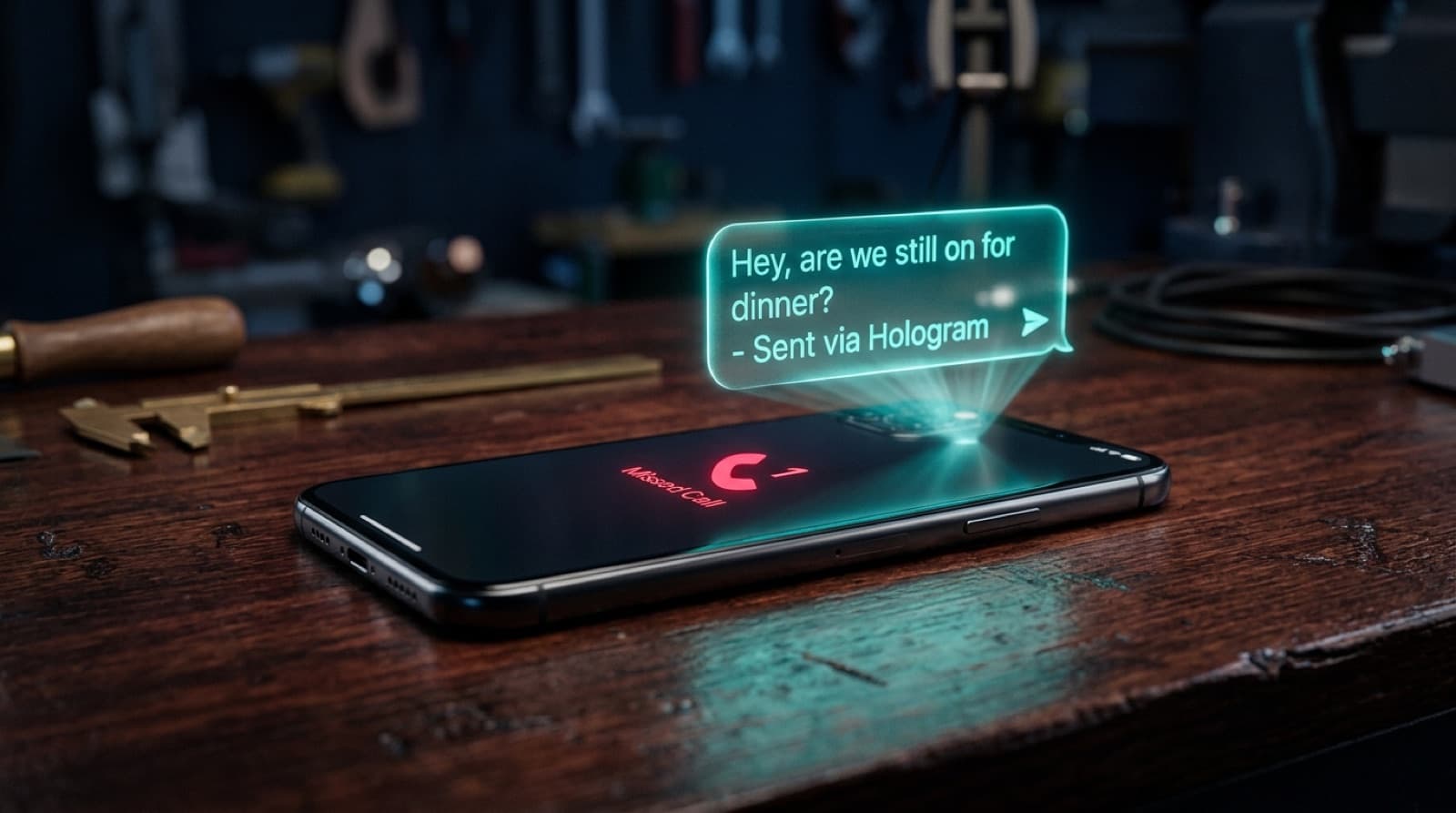
What Is Missed-Call Text-Back, and Why Does Every Service Business Need It?
Missed-call text-back texts every caller you can't answer within seconds, so the lead starts a conversation instead of dialing a competitor. How it works.
After-Hours Calls: Where Home Service Businesses Win or Lose the Year
Emergency plumbing, HVAC, and electrical calls come at night and go to whoever answers first. How to cover after-hours calls without carrying a phone for life.

Why NE Florida Contractors Lose the Most Leads During Storm Season
Storm season floods NE Florida contractors with more calls than they can answer. Why the leads slip away, and how to capture every one without burning out.