
What Is Missed-Call Text-Back, and Why Does Every Service Business Need It?
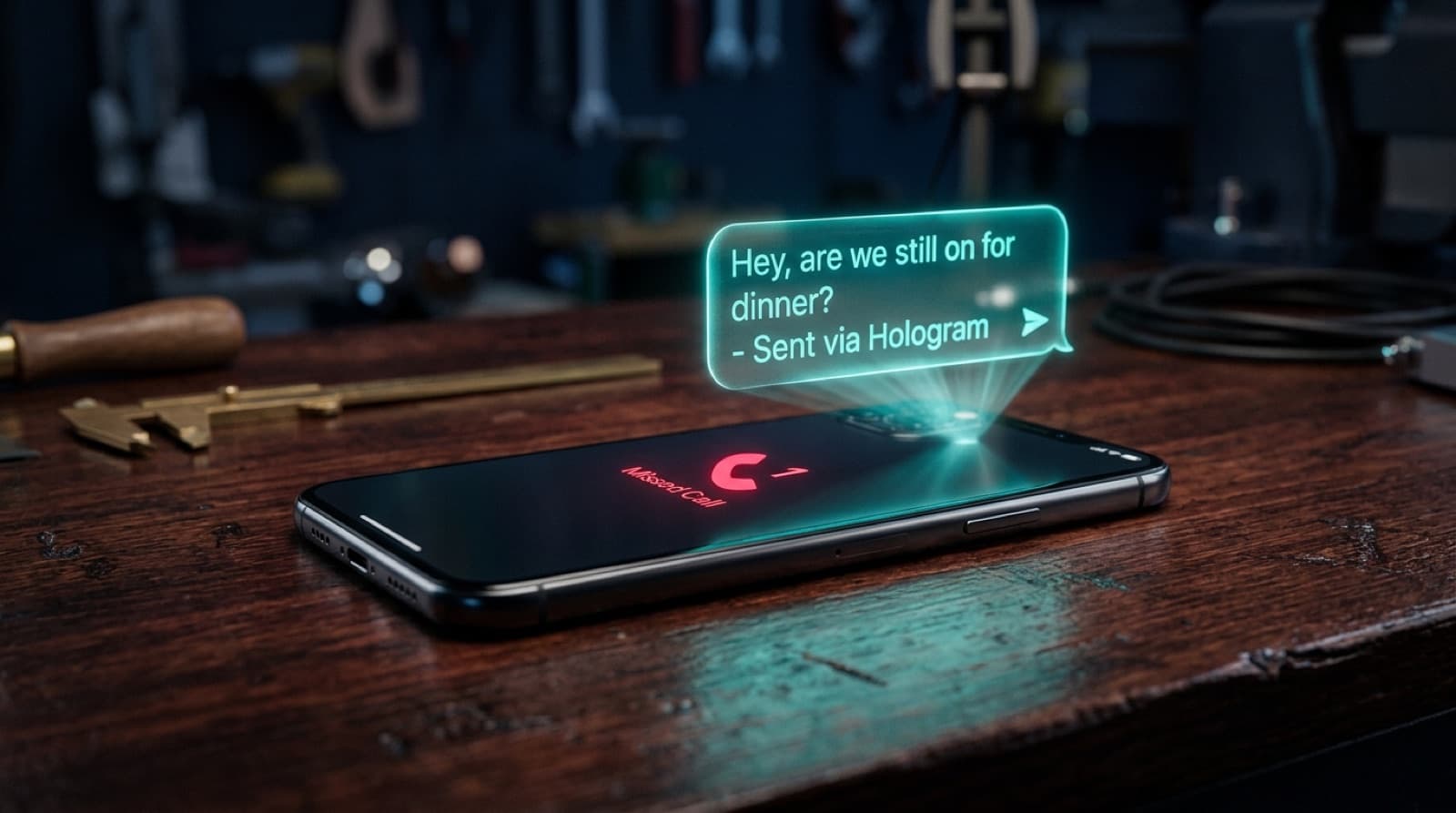
Missed-call text-back is an automation that sends a text message to any caller you fail to answer, within seconds of the missed call: "Sorry we missed you — how can we help?" Instead of a dead voicemail, the lead is now in a conversation with your business, and leads in conversation do not keep dialing your competitors.
What is missed-call text-back?
It is a simple automation watching your business line: any call that rings out or hits voicemail triggers a text to that caller within seconds, from your business number. The message says you saw them and asks how you can help. When they reply, you (or your system) are in a two-way SMS conversation with a lead who, thirty seconds earlier, was about to call someone else.
The mechanics are unglamorous and the effect is not. The caller's problem still exists; the only question was whether they would solve it with you or with the next listing. A text that arrives while your ring is still fresh keeps them yours.
Why does it work so well?
Because it matches how people actually behave with phones. Most callers will not leave a voicemail; talking to a recording feels like shouting into a hole. But nearly everyone answers texts, and a text can be handled from a job site, a school pickup line, or a couch at 9pm. You are moving the conversation to the channel the customer already prefers.
It also beats the callback you meant to make. Calling back an hour later starts a phone-tag loop with someone who may have already booked elsewhere; we covered how fast that window closes in the 5-minute rule. The text lands inside the window, every time, without a human remembering to send it.
How big is the missed-call problem, really?
Bigger than most owners guess, because a miss is silent. Commonly cited industry figures put the miss rate for service businesses at 20–30% of incoming calls, and around 80% of callers who reach voicemail hang up without leaving a message. Stack those and the picture is stark: for every ten calls, two or three ring out, and most of those callers simply dial the next business.
Each of those is a customer who wanted to give you money today. The full cost arithmetic runs to thousands a month for a busy trade — which is why a $50-to-$200 automation that recovers even a slice of them is the cheapest lead generation you will ever buy.
What does it cost, and what's the catch?
As a standalone tool, missed-call text-back runs from roughly $50 to $200 a month depending on the platform around it, which is a fraction of an answering service and a rounding error against one saved job. Setup does not touch your phone hardware; the automation watches your line and fires on the miss.
The catch is what it cannot do. A text-back saves the callers willing to type. It does not help the midnight emergency who needs a human-sounding voice now, the older customer who does not text, or the caller whose reply then sits unanswered in an inbox for three hours, which just moves the missed call one channel over. The message is a bridge; someone still has to be on the other end of it.
Missed-call text-back is built into every AI receptionist setup we do: the AI answers what it can, and anything that slips through gets a text within a minute. Nothing dies in voicemail.
Where does it fit in the full system?
Think of your phone line as having three layers. Answering the call is the first and most valuable, because a live answer books the job on the spot; that is the AI receptionist's job, around the clock. Text-back is the second layer, catching whatever still slips through and pulling it into conversation. Voicemail is the third, kept only for the rare caller who prefers it.
Most businesses run only the third layer and wonder where the leads go; the arithmetic of that leak is in what missed calls really cost a contractor. Adding text-back alone plugs a real share of it. Adding answered calls plus text-back plugs nearly all of it, which is why we install them together rather than selling the band-aid without the fix.
Setting it up: a 20-minute checklist
Setup is genuinely light. First, pick where it runs — most CRMs and phone platforms (GoHighLevel, CallRail, and the like) have missed-call text-back built in; you flip it on and write the message. Second, write one good message: identify the business, apologize in three words, ask a question. Third, decide who watches the replies — the automation starts conversations, and a conversation nobody answers is a second missed call. Fourth, test it: call your own line from another phone, let it ring out, and time the text.
Two guardrails: send from your main business number so the caller recognizes it, and register the number for A2P text messaging so carriers don't filter you — any provider worth using handles that registration for you.
How do you get started?
If you do nothing else this month, put text-back on your main line; it is cheap, invisible to your daily routine, and starts saving leads the first day. Draft one good message, wire the automation, and make sure replies land somewhere a human actually watches.
If you want the whole system, that is the twenty-minute conversation we have every week with Northeast Florida service businesses: your call volume, where it leaks, and what answering plus text-back would recover. Book a call, or talk to the live demo first to hear what your callers would hear instead of voicemail.
Frequently asked questions
Keep reading

After-Hours Calls: Where Home Service Businesses Win or Lose the Year
Emergency plumbing, HVAC, and electrical calls come at night and go to whoever answers first. How to cover after-hours calls without carrying a phone for life.

Why NE Florida Contractors Lose the Most Leads During Storm Season
Storm season floods NE Florida contractors with more calls than they can answer. Why the leads slip away, and how to capture every one without burning out.

The 5-Minute Rule: Why Callback Speed Decides Who Gets the Job
Call a lead back within five minutes and you're far more likely to win the job. See what the research says about speed to lead, and how to respond every time.